Search results
Clarinet fingering for the note you searched.
ClarinetInsight
For elementary and middle school clarinetists to practice independently with visual, audio, and interactive elements.
Beginning Clarinetist's Guide
Follow this path from opening your case to reading and playing music independently.
STEP 1
Acquiring Materials
Don't have any materials yet? No worries! Follow our guide to get an instrument and all the necessary accessories.
STEP 2
Play Your First Notes
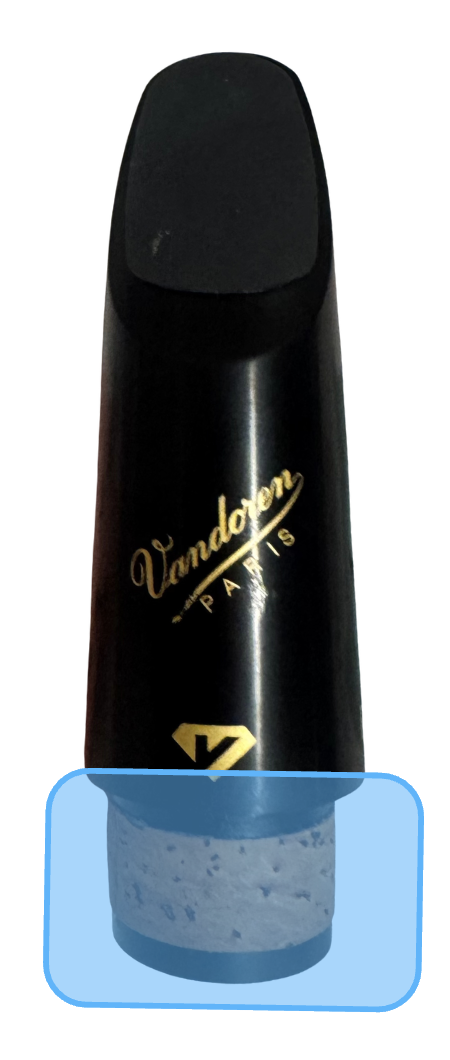
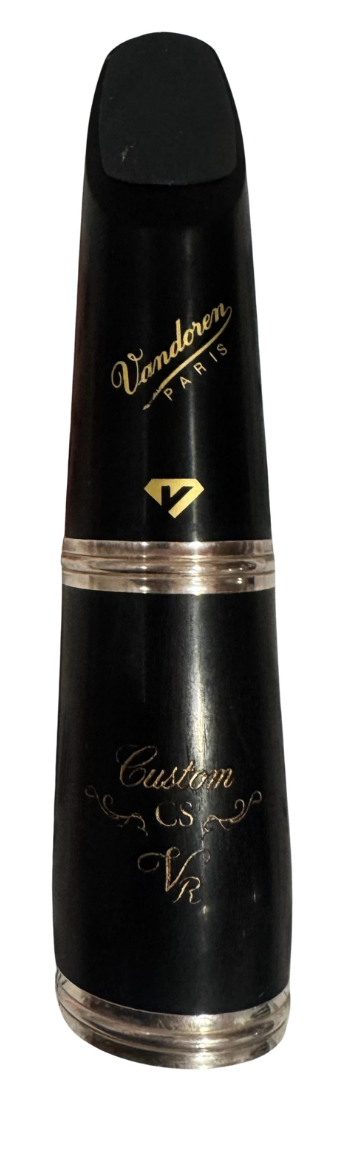
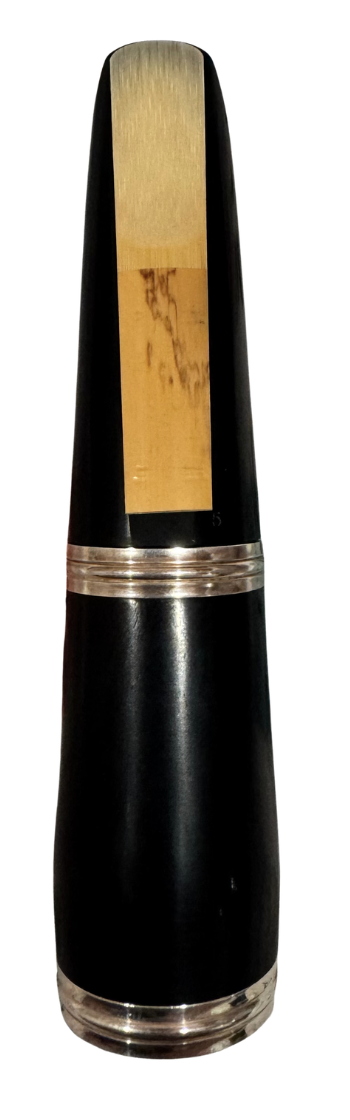
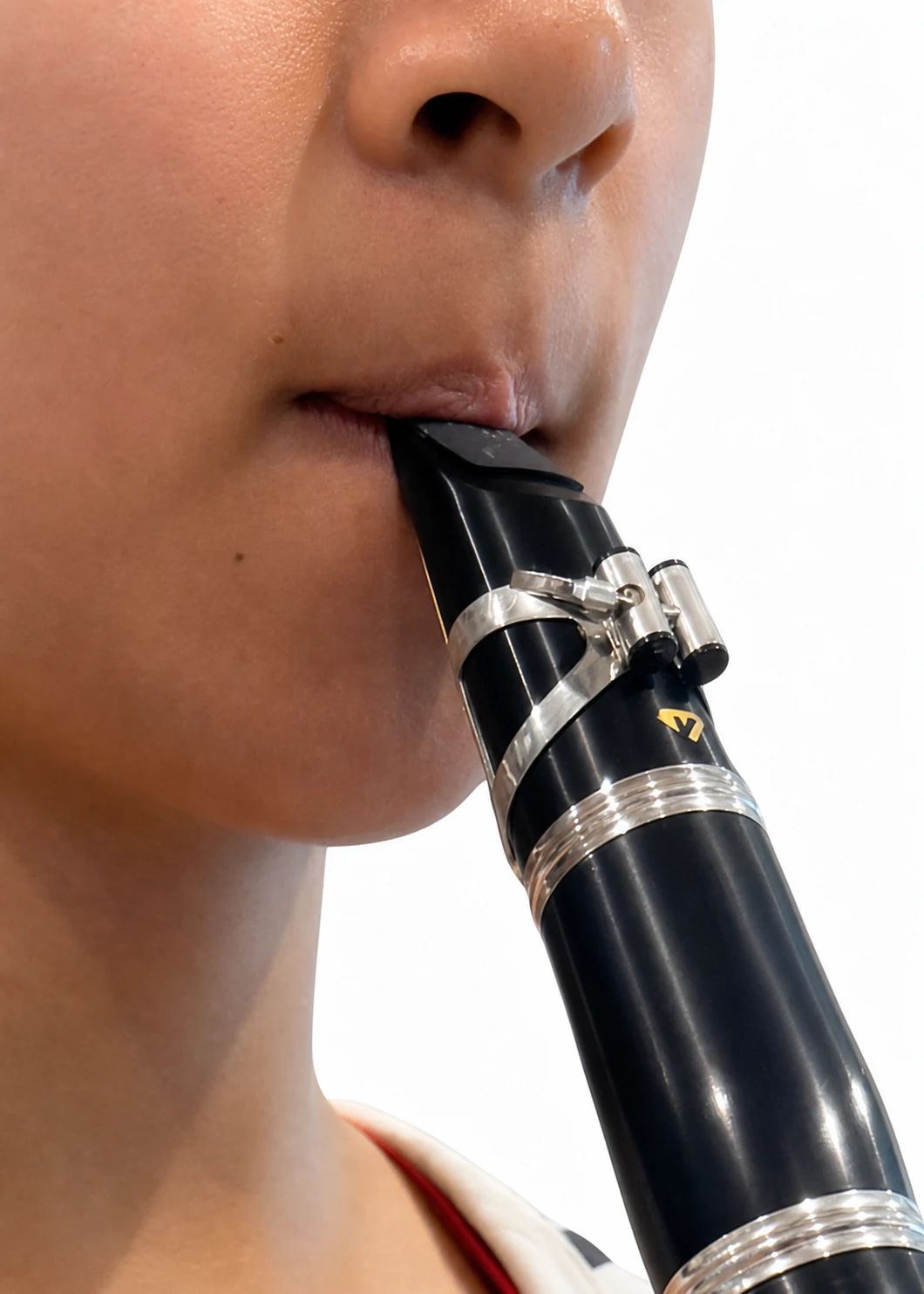
Start small first, with just the mouthpiece and barrel.
Then, when your tone is clear and steady, move on to the whole clarinet.
If your tone is unsteady, exceedingly bright or dull, or screechy, visit Common Problems and Fixes.
STEP 3
Learn to Read Notes
Learn the fingerings from E3 to B♭4 (the chalumeau register). If it's too difficult, just try C4 to B♭4 at first.
Once you've learned these fingerings and can play them, head to Learning Pitch so that you can recognize notes on a staff.
Now, practice what you've learned. Set the range to match your comfortable range, start the microphone, and play what's on the page.
STEP 4
Learn Basic Rhythm
Rhythm takes a while to learn. Use a metronome to help you keep in time. Each click of a metronome represents a beat in the music.
STEP 5
Play Your First Song
This will take some time! Don't rush yourself. Start with “beginner” music. Listen to the recordings of the pieces before playing so you know what they sound like. After you click on a piece of sheet music, choose any needed Assisted Playing features to help with your sheet music reading, then click “Start Now.”
Having problems getting the sound you want? Check our tips.
STEP 6
Try Sightreading
Reading sheet music you've seen dozens of times is easy. Reading new sheet music isn't. Test your newly learned skills by generating a sightreading prompt and seeing how you do!
Build a comfortable foundation
Set up your clarinet carefully, create a clear first sound, and develop habits that make every later lesson easier.
Getting Materials
Steps:
- Instrument
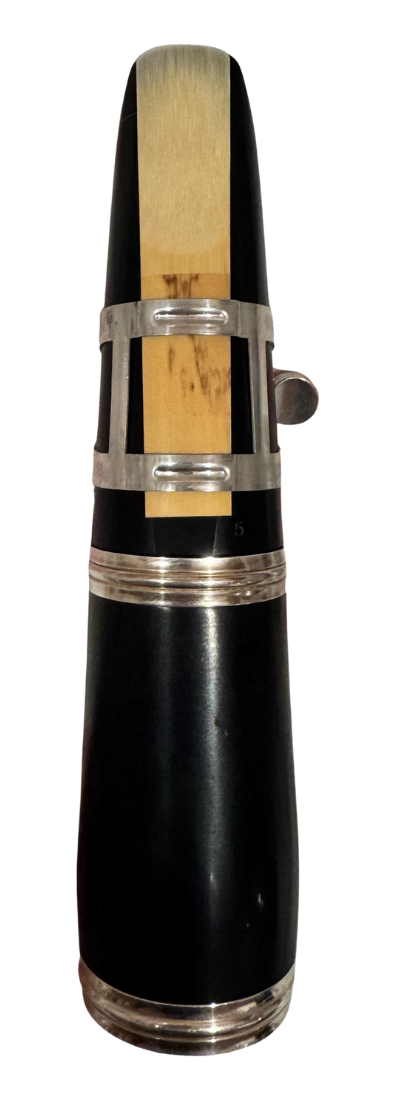
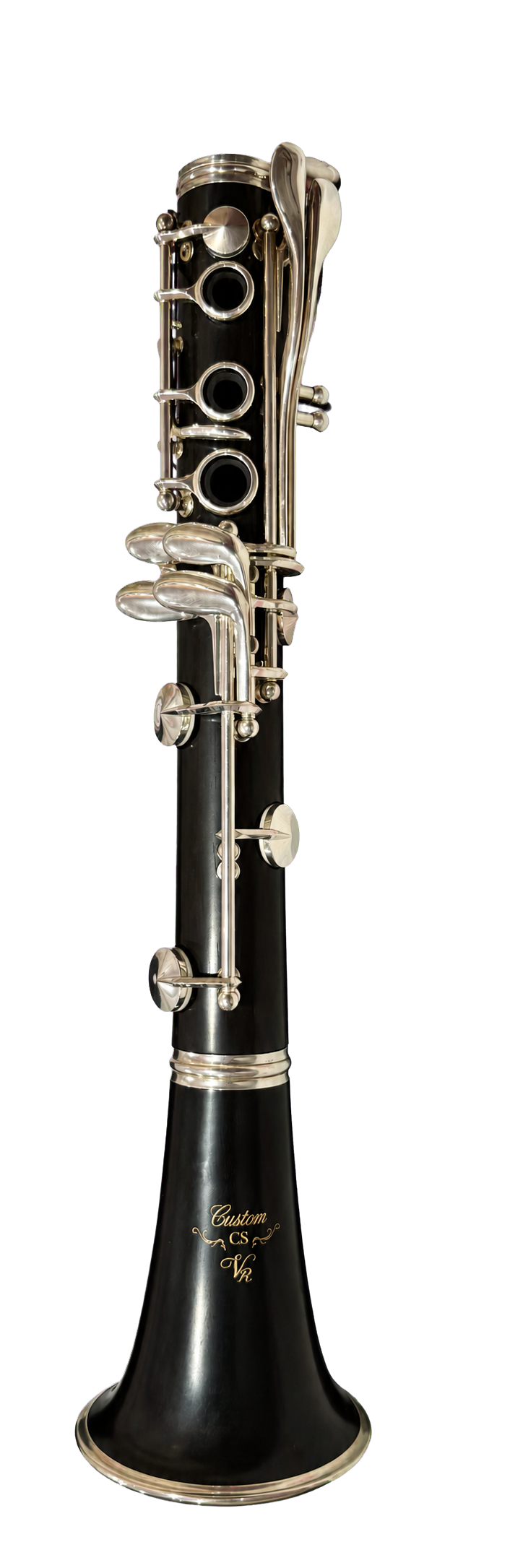
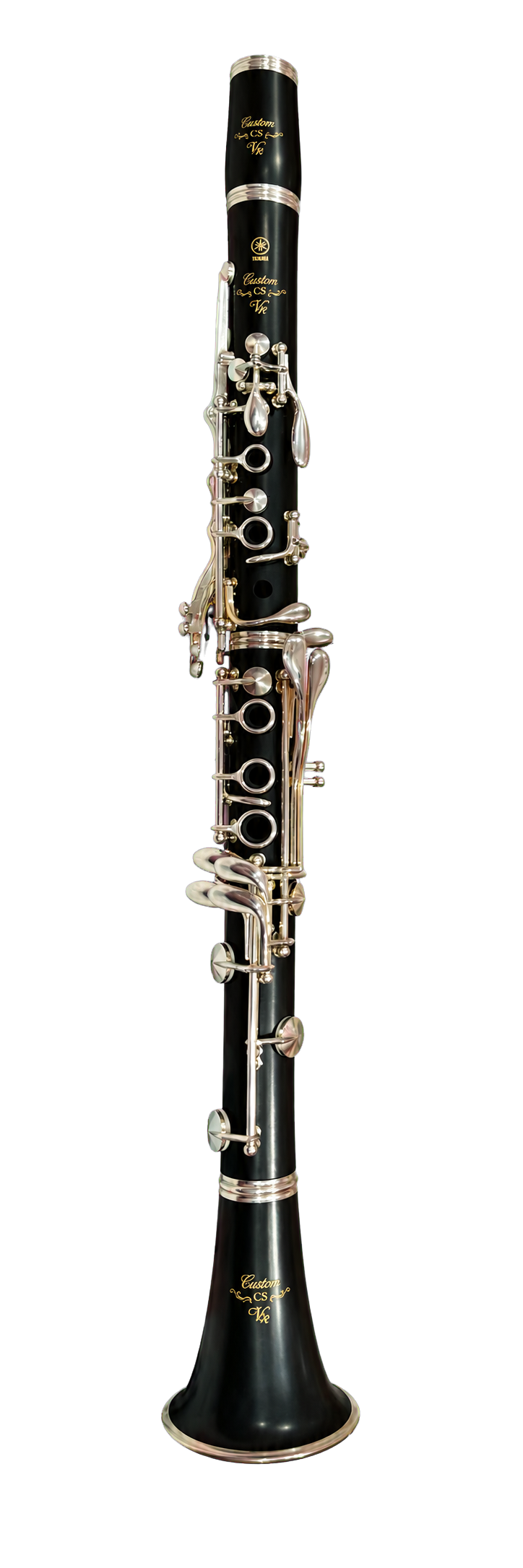
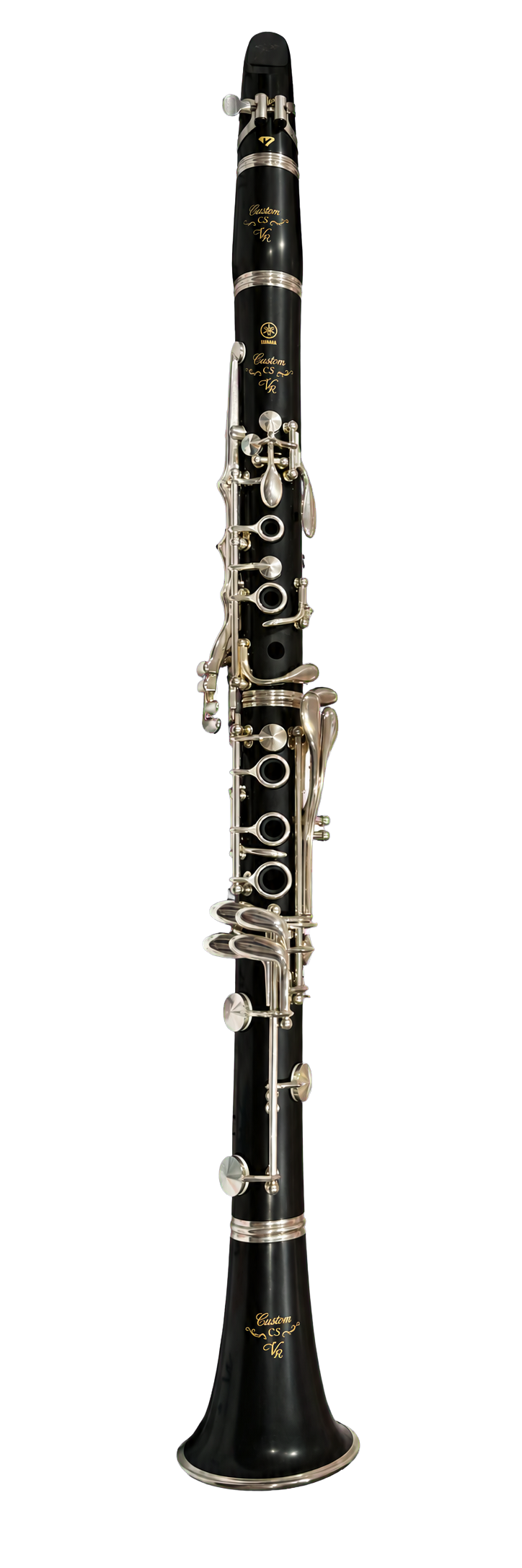
Start with a durable student B♭ clarinet that is easy to maintain, such as a Yamaha Advantage YCL-200ADII. You do not need a professional instrument to begin. Ask your band director or a clarinet teacher to check any instrument before you buy or rent it.
Tip: Renting from a reputable music store is often a practical way to start. It lets you learn on a properly maintained instrument before deciding whether to buy one. - Reeds
Keep several reeds ready because they wear out and can break. Choose consistent, high-quality B♭ clarinet reeds, such as Vandoren Traditional reeds.
Beginner reed strength: Start with a 2.5 strength reed. If it takes a lot of effort to make a sound and produces mostly air, try strength 2. If it feels too soft or unstable, try a slightly harder reed, like strength 3. Reed brands and mouthpieces vary, so choose the strength that suits you best. A higher strength does not mean a higher skill level. - Accessories
- A pull-through swab for removing moisture after every playing session.
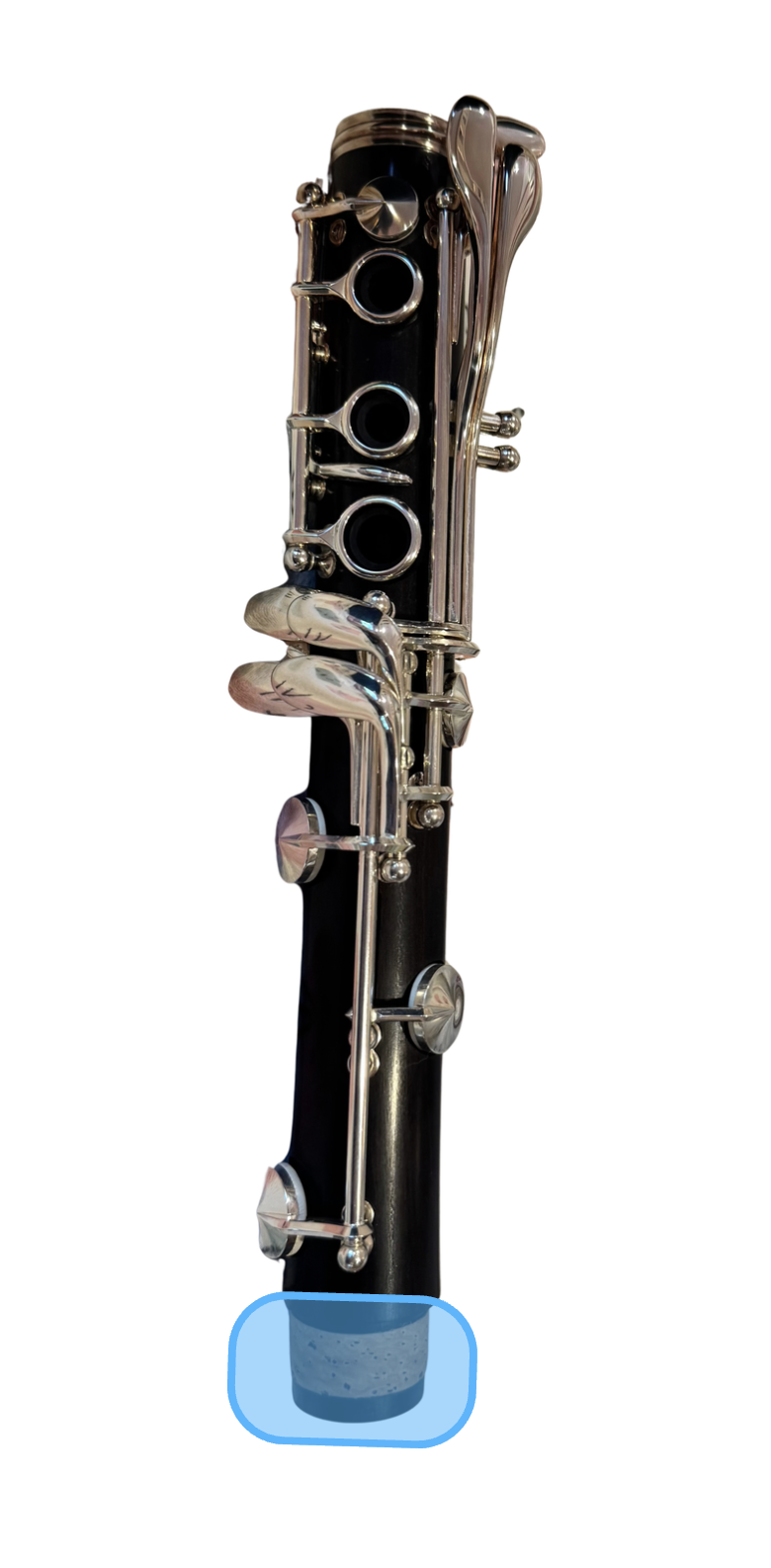
- Cork grease for joints that feel tight.
- A music stand so you can read with comfortable posture.

Turn finger movements into notes
Explore fingerings, learn written notation, and build accurate rhythm at your own pace.
Fingering Charts
Notes are organized from easiest (open G) through the lowest register and throat tones, then the and lower registers.
Chalumeau Register and Throat Tones
Clarion Register
Altissimo Register
Altissimo response and tuning vary by instrument and player. These are standard starting fingerings; adjust voicing and air support as needed.
Practice with sound and feedback
Build fluency with note recognition, rhythm recognition, and guided sheet-music practice.
Common Problems and Fixes
Choose the sound problem you want to work on and try the focused suggestions.
Fixing Squeaking
Squeaks usually come from air escaping, a bad or improperly secured reed, or a tone hole that's not completely sealed.
- Cover every tone hole completely with the pads of your fingers.
- Check that the reed is centered and reveals only a hairline of mouthpiece.
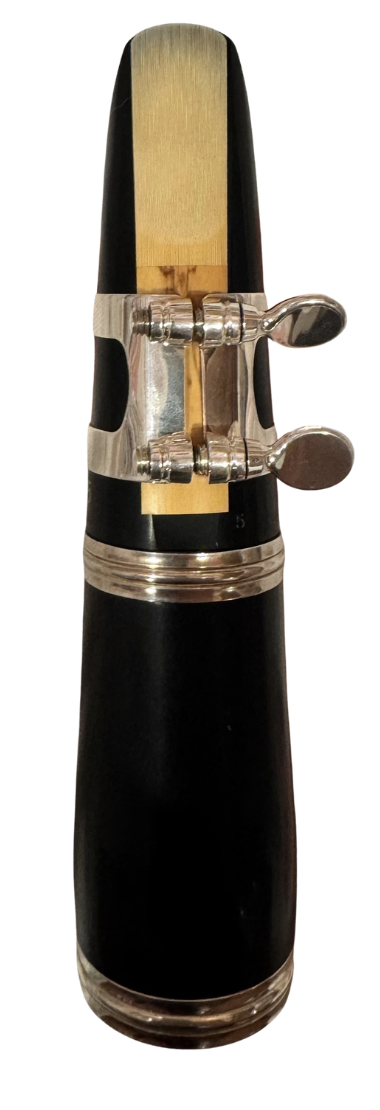
- Make sure the ligature is securely on the thick part of the reed and is not overly tight.
- Look in a mirror to find any finger that is not completely covering a hole.
- Keep the corners of your mouth firm and use a steady, focused stream of air.
- Move between notes slowly to find any finger that lifts too early.
- If you're squeaking on higher notes, try opening the back of your throat. Imagine yawning.
Build confident sightreading
Generate a fresh exercise, look it over silently, then play it or hear a model performance.
Set Up Your Exercise
Choose the exercise and support you want before seeing the music.
Choose one option in each dropdown. You can select multiple written keys for randomized practice and set preparation time from 0 to 60 seconds.
Sightreading Exercise
Select “Start Now” to begin preparation time. Use this time to study the excerpt; check the key signature, time signature, rhythms, notes, etc.